Road signs play a crucial role in ensuring the safety of drivers and pedestrians on the roads. They help drivers make informed decisions, communicate traffic rules, and regulate the flow of vehicles. Without road signs, the roads would be chaotic, and the risk of accidents and injuries would be much higher. In this blog post, we’ll explore the importance of road signs, their types, and how they contribute to road safety.
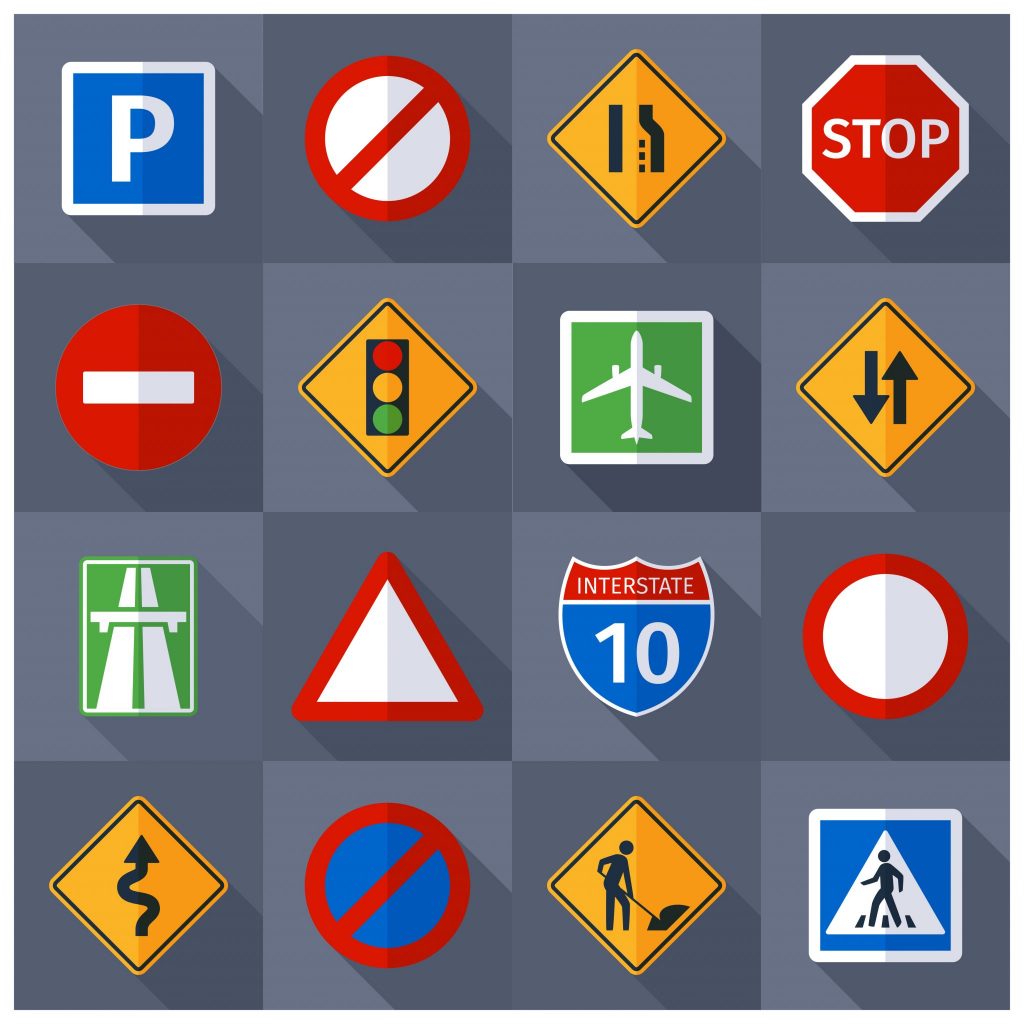
Importance of Road Signs
Regulating Traffic FlowRoad signs are essential in regulating the flow of traffic on the roads. They communicate to drivers which lanes to take, which turns to make, and where to park. For example, one-way signs indicate that traffic can only move in one direction, while stop signs indicate that drivers must stop before proceeding. These signs are critical in ensuring that vehicles move in an orderly fashion and prevent collisions and pile-ups.
Communicating Traffic Rules
Road signs communicate traffic rules and regulations to drivers. For example, speed limit signs tell drivers how fast they can travel in a specific area, while no parking signs indicate where drivers cannot park. By following these rules, drivers ensure their safety and that of other road users.
Warning of Potential Hazards
Road signs also serve as warning signs, indicating potential hazards on the roads. For example, roadwork signs indicate that workers are on the road and that drivers should exercise caution. Similarly, yield signs indicate that drivers should slow down and let other vehicles pass. These signs help drivers be aware of potential hazards and take necessary precautions.
Types of Road Signs
Regulatory Signs

Regulatory signs are those that communicate traffic laws and regulations. These signs include stop signs, speed limit signs, yield signs, and one-way signs, among others. Regulatory signs are usually rectangular and have a red or white background.
Warning Signs

Warning signs are those that indicate potential hazards on the road. These signs include roadwork signs, detour signs, and construction signs, among others. Warning signs are usually triangular and have a yellow background.
Guide Signs

Guide signs are those that direct drivers to their destinations. These signs include highway exit signs, direction signs, and rest area signs, among others. Guide signs are usually rectangular and have a green background.
Information Signs

Information signs provide drivers with additional information about their surroundings. These signs include gas station signs, food service signs, and tourist attraction signs, among others. Information signs are usually rectangular and have a blue background.
Contribution to Road Safety
Improved Driver Awareness
Road signs play a critical role in improving driver awareness and helping drivers make informed decisions on the roads. By communicating traffic rules and regulations, road signs help drivers avoid violations and accidents.
Better Traffic Flow
Road signs regulate the flow of traffic, reducing the risk of collisions and pile-ups. By communicating which lanes to take, which turns to make, and where to park, road signs ensure that vehicles move in an orderly fashion.
Awareness of Hazards
Road signs serve as warning signs, indicating potential hazards on the roads. By making drivers aware of these hazards, road signs help drivers take necessary precautions and avoid accidents.
Reduced Risk of Accidents
By communicating traffic rules, regulating traffic flow, and warning of potential hazards, road signs reduce the risk of accidents on the roads. They ensure that drivers are aware of their surroundings and take necessary precautions, leading to a safer road environment.
Conclusion
In conclusion, road signs play a crucial role in ensuring the safety of drivers and pedestrians on the roads
Comments
Post a Comment